Answers to all your Questions.
Browse through numerous categories to find what you are looking for, this place has it all
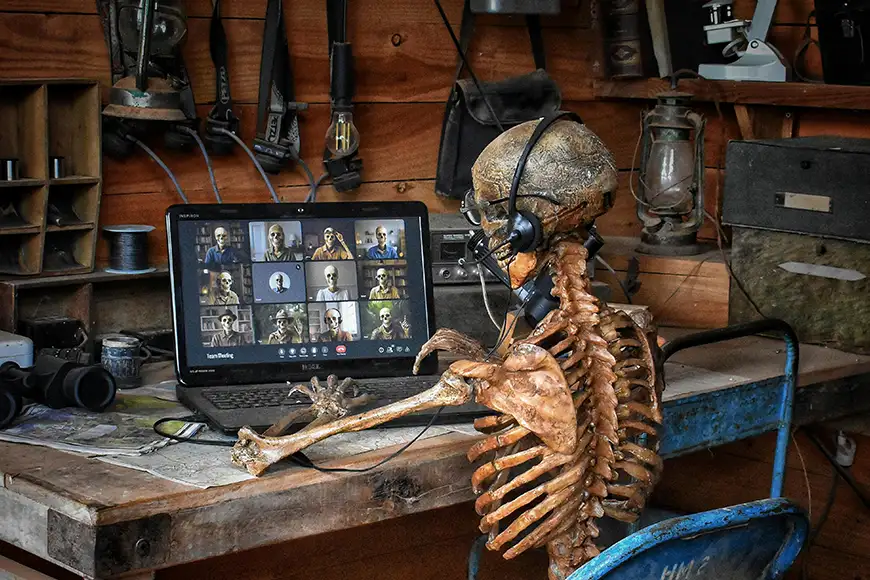
Zoom camera not working on windows – Troubleshooting guide
Published on April 16, 2026 by Fixidia Tech
You’re in the class, your teacher wants to see you but you have a zoom camera not working on Windows. OR you are in a meeting, and everyone is showing their camera except you. You may find that your camera is either completely black, not detected, or showing an error inside zoom. This is not a serious problem, in most cases it’s caused by simple settings or software conflicts.
Let’s fix your issue quickly without complicated technical steps so they all can see you bright and shining.
Why zoom camera issues happen
When your camera doesn’t work in Zoom, it doesn’t always mean the camera itself is broken. In fact, the problem is often related to permissions, device selection, or conflicts with other apps.
On Windows, multiple applications can try to access the camera at the same time. If another app is already using it, Zoom may fail to detect it. Similarly, privacy settings can block camera access entirely, making it appear as if the camera is not working.
Step 1: Check camera selection in Zoom
A surprisingly common cause is that the wrong camera is selected inside Zoom.
Open Zoom settings and navigate to the video section. If you have multiple cameras (such as a built-in webcam and an external USB camera), Zoom might be using the wrong one. Switching to the correct device often resolves the issue instantly.
Click your profile picture in zoom and go to Settings > Video, if you don’t see yourself there, check if Stop video when joining a meeting is checked, because of this you start every call with camera off by default.
Step 2: Allow camera access in Windows settings
Another major reason for this issue is restricted permissions.
Windows includes privacy controls that allow you to decide which apps can use your camera. If camera access is disabled, Zoom won’t be able to use it at all.
Go to Settings > Privacy & Security > Camera, make sure Camera Access is On. Once permissions are granted, restart Zoom and check again.
Step 3: Close conflicting applications
Camera conflicts are very common, especially if you use multiple communication tools.
Applications like Skype, Teams, or browser-based video apps can take control of the communication hardware and the camera and microphone stops working in zoom. If one of them is running in the background, Zoom may not be able to access the device.
Close all other apps that might be using the camera—and then reopen Zoom, this can quickly fix the problem.
When the issue goes beyond settings
If the your Zoom camera is still not working on Windows even after checking settings, the problem may be related to drivers or system configuration.
Outdated or corrupted camera drivers can prevent proper communication between your hardware and software. Update or reinstall the camera driver through Device Manager, this often resolves these deeper issues.
In some cases, restarting your system or reinstalling Zoom can also fix hidden glitches that aren’t immediately visible.
Hardware vs software: Knowing the difference
It’s important to determine whether the issue is software-related or hardware-related.
If your camera works in other apps but not in Zoom, the problem is likely within Zoom or its settings. However, if the camera doesn’t work anywhere, the issue could be with the device itself.
Test your camera in another app (like the built-in Camera app) this is a quick way to identify where the problem lies.
Preventing future camera issues
To avoid facing the Zoom camera not working on Windows issue again, it’s important to keep your system and applications updated. Regular updates ensure compatibility and fix bugs that might affect camera functionality.
Also, avoid running multiple video applications at the same time and regularly check your privacy settings after system updates, as they may reset permissions.
Conclusion
The camera not working in zoom is an issue, but it’s not a serious problem. In most cases, it comes down to simple settings like device selection, permissions, or app conflicts.
By understanding how your camera interacts with Zoom and Windows, you can quickly identify the cause and fix it without stress. With just a few adjustments, your camera should be up and running smoothly again.